ASAP        Local Food Guide        National Farm to School Network        Donate        Contact

Home
Home
Components of Farm to School
Local Food in Schools
Farm Field Trips
Nutrition Education
School Gardens
Educators
Lesson Plans
Children's Literature
Kids' Recipes
Resources
Articles and Resources
E-Newsletter
Links
Get Involved
Contact Us
Sitemap


Appalachian Sustainable
Agriculture
Project
729 Haywood Rd.
Asheville, NC 28806
Voice: 828-236-1282
Fax: 828-236-1280
Email Us

Appalachian Sustainable Agriculture Project is a 501(c)(3) nonprofit organization.


Donate Now
Growing Minds Farm to School Program
 

leaningwillowGrowing Minds is Appalachian Sustainable Agriculture Project's (ASAP) Farm to School program, and the Southeast regional lead agency for the National Farm to School Network.

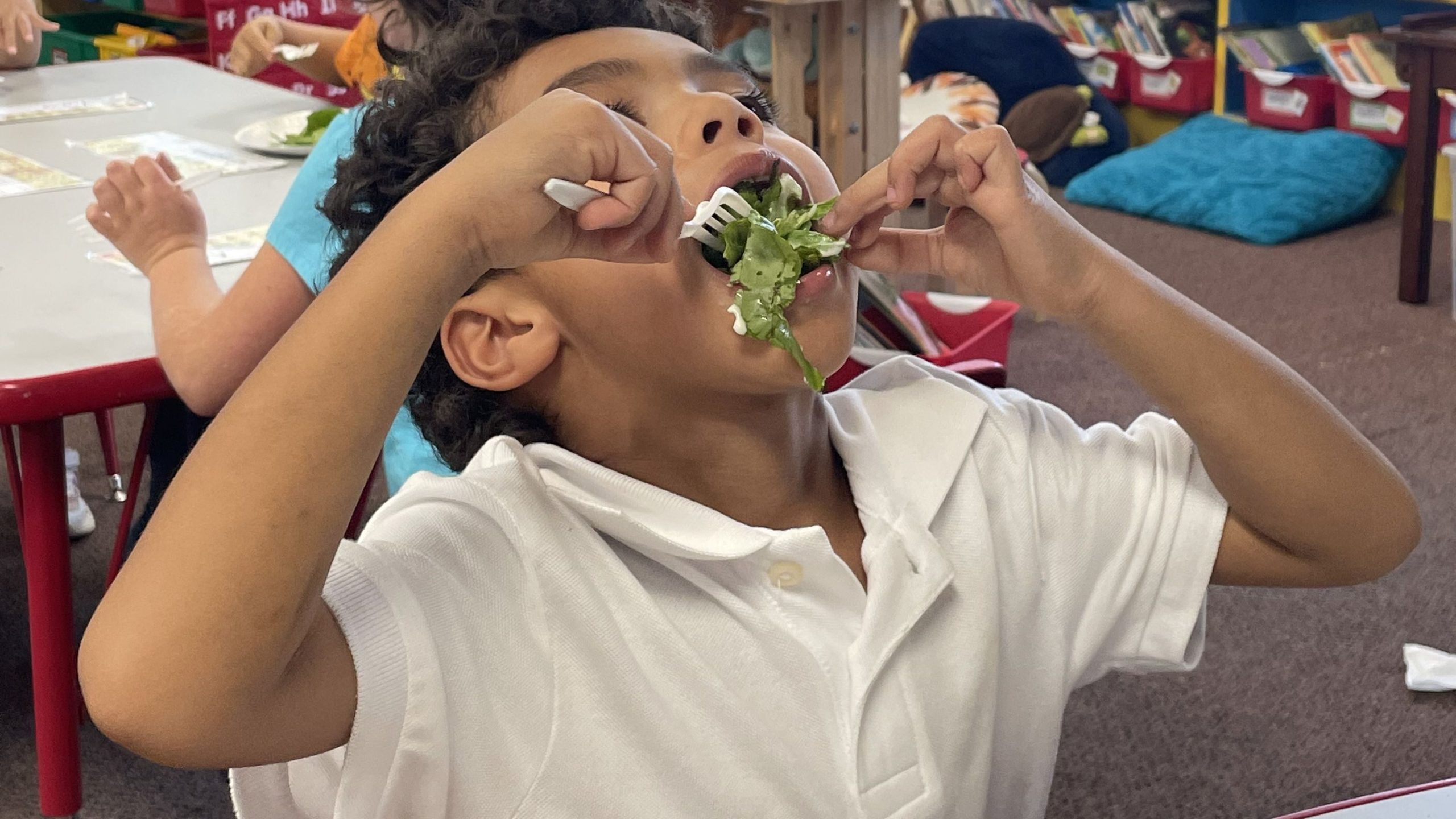
We work to connect farm and schools and give children positive experiences with healthy foods, including farm field trips,  nutrition education, school gardens, and local food in cafeterias.

Educators, farmers, parents, and all community members are invited to join us.

Components of Farm to School

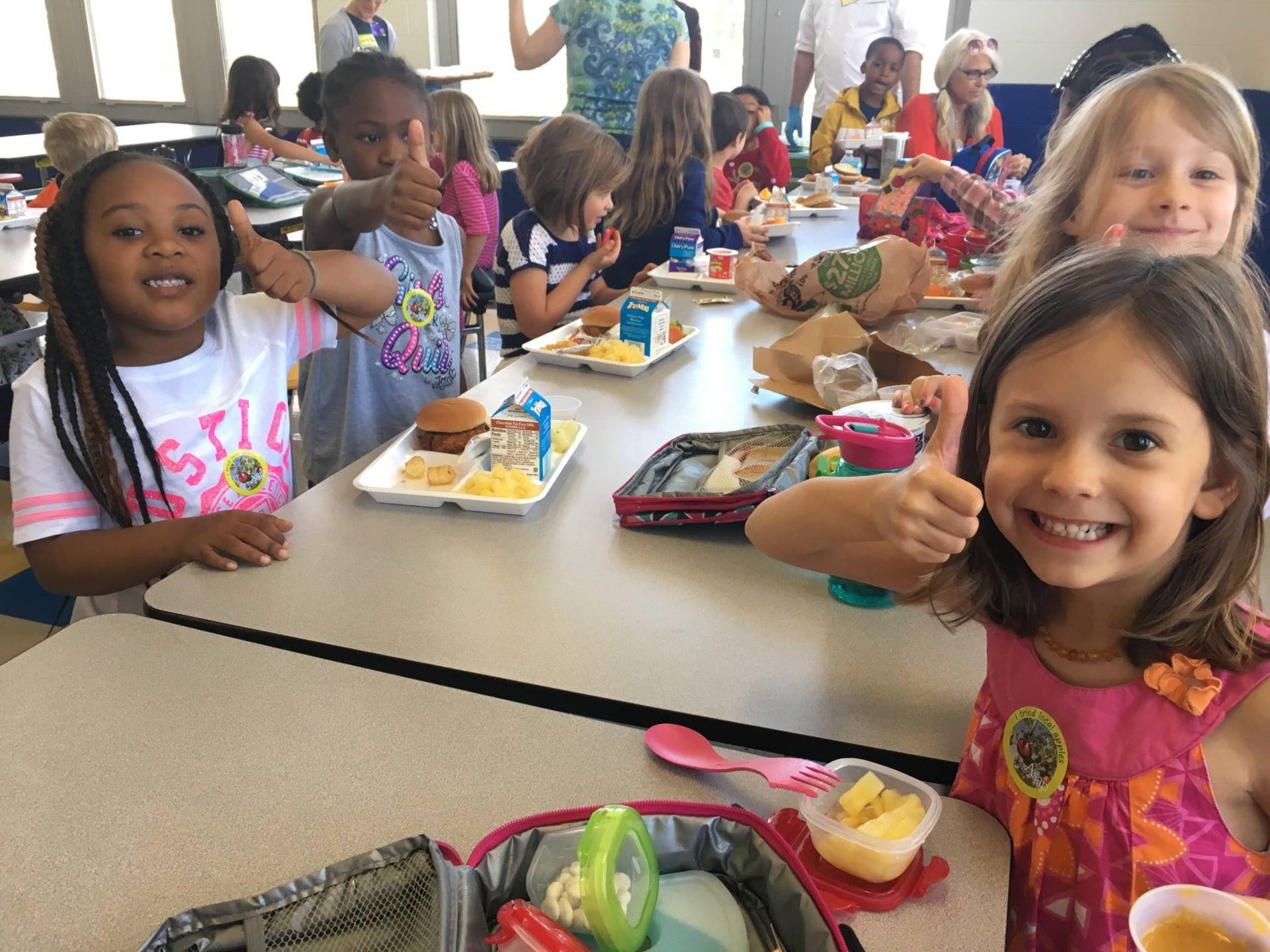
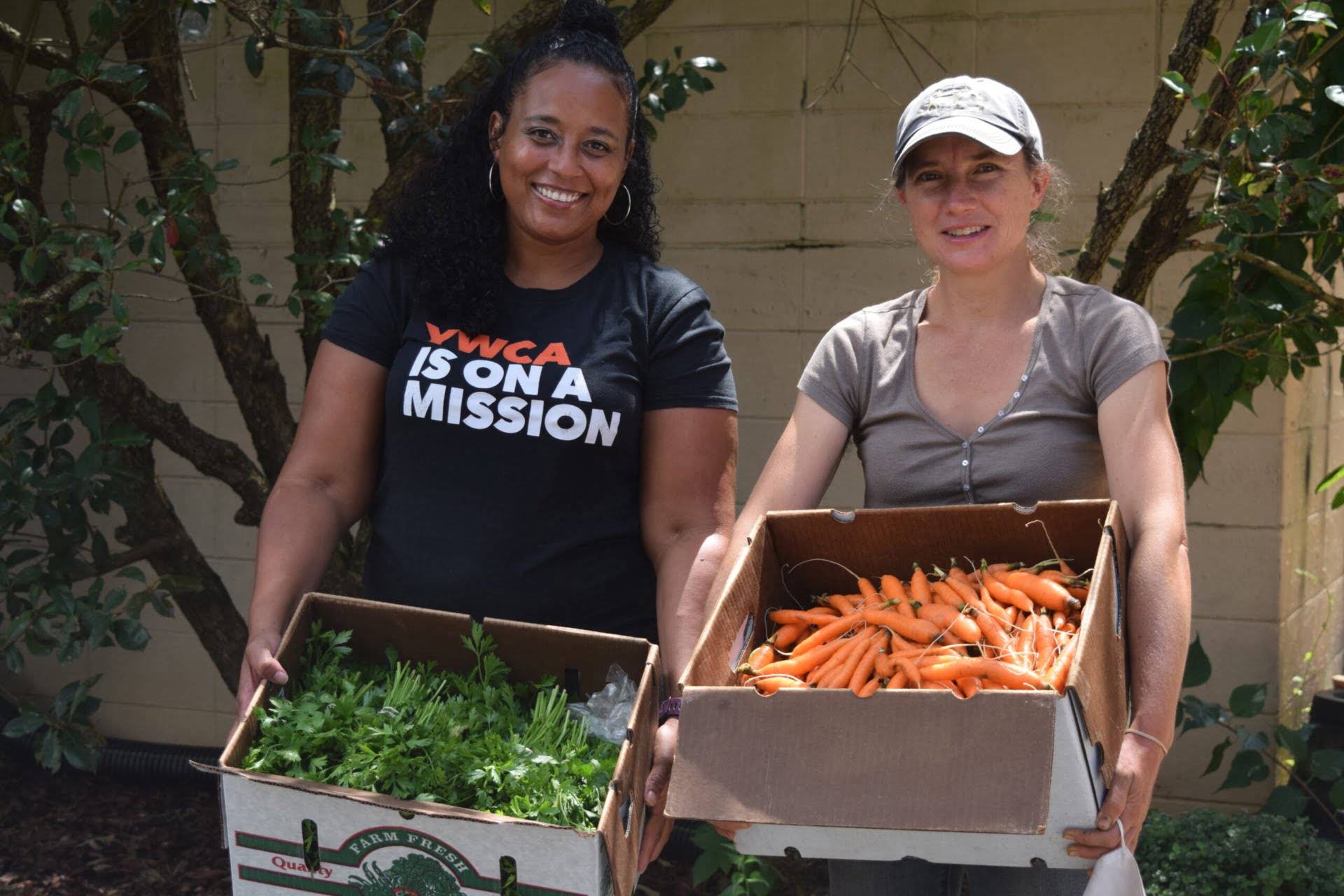
Local Food in Schools Schools provide farmers with a viable market in their community, while local farmers supply our schools with the freshest food possible.

Farm Field Trips This component teaches kids where food comes from and who is growing food in our communities.

Nutrition Education Cooking demonstrations and classes to help students learn to enjoy preparing and eating healthy fresh foods.

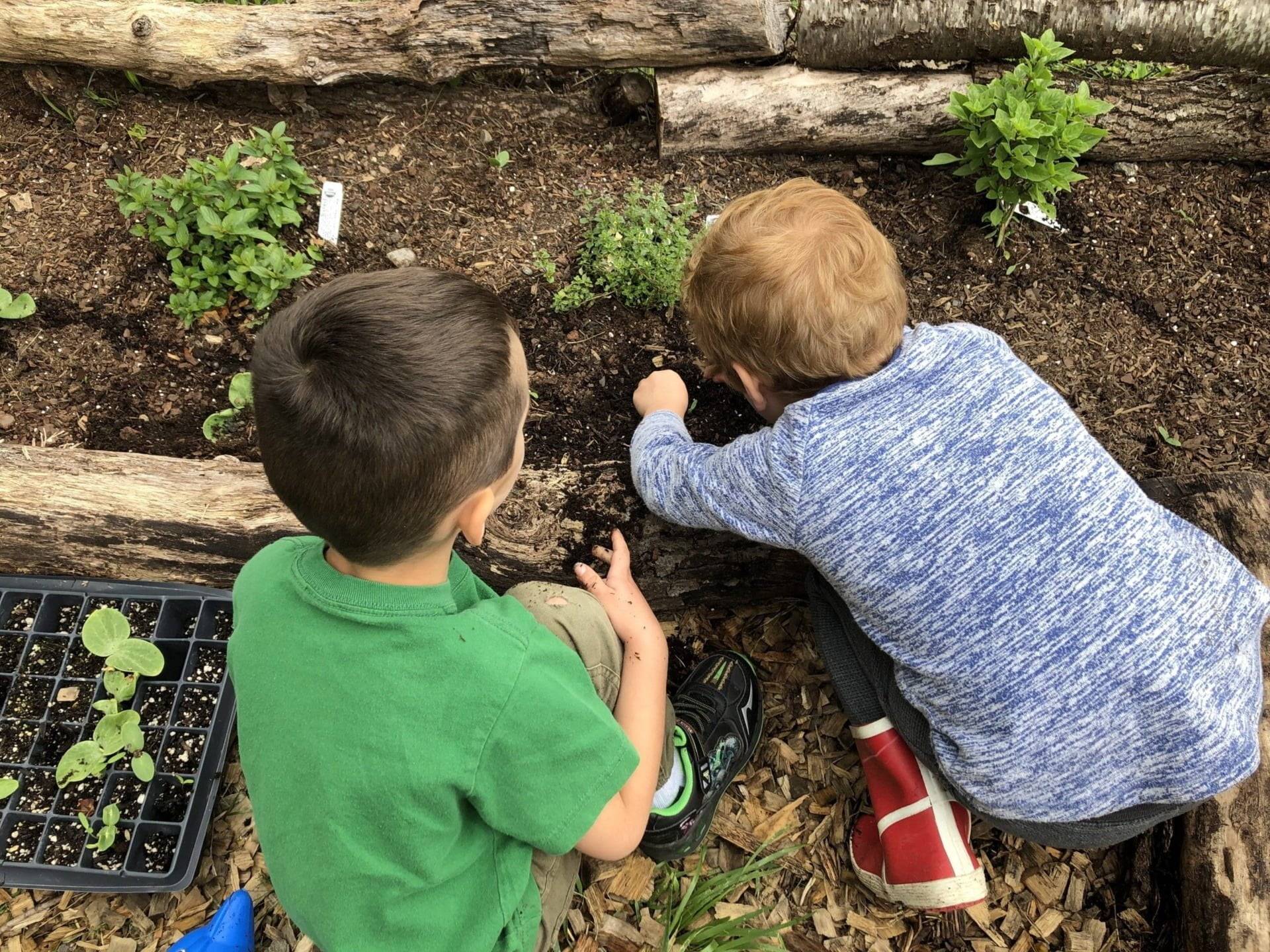
School Gardens Students will eat what they grow. We give them skills, experience, and a connection to their agricultural heritage.

What We're Doing

Our current projects include:

- Serving as Regional Lead Agency for the National Farm to School Network

- Offering experiential nutrition education with chefs in the classroom

- Supporting school gardens

- Providing resources through the web

- Building connections to help schools serve local food

- Conducting Farm to School market research

Where We Work

Currently, at least one of the four components of Farm to School is in action in Buncombe, Haywood, Henderson, Madison, Mitchell and Yancey counties, as well as Asheville City Schools. We can provide resources to start Farm to School in Western North Carolina schools, and the Farm to School movement is taking off nationwide.

Farm to School--at Your School

If you are interested in bringing Farm to School programs to your school,  we want to provide community and curriculum resources to help you get started. Please look at the resources on this site, and contact us.

A Resource for Farm Field Trips

We're excited to bring you The Hayride: A Resource for Educational Farm Field Trips.  Download the free PDF for a detailed county-by-county listing of farms that give tours, tips for planning your trip, children's books related to farms, activities that help you tie field trips into the curriculum, and more. Whether you're wondering what farms can teach kids about science and art, or if farms can accomodate school buses and wheel chairs, The Hayride can help.

Kids' Editions of Popular Local Food Guide

In spring 2010, ASAP will launch new kid’s versions of its popular materials: the Local Food Guide and Local Food -Thousands of Miles Fresher bumper sticker. The sticker will be scaled down for a bike, and the kid sized guide will feature special contents and activities.  Read more here.

Training Teachers about Farm to School

ASAP and Western North Carolina University have partnered to offer pre-service teacher and dietitian training. We are integrating Farm to School instruction into the training of future teachers, so they’ll know how to share the value of farms and local food with kids. Five teaching students and five dietetic students will receive resources such as children’s literature, cooking supplies, and funds for local food and for farm field trips, and assistance to implement Farm to School programs in Jackson County classrooms and cafeterias.

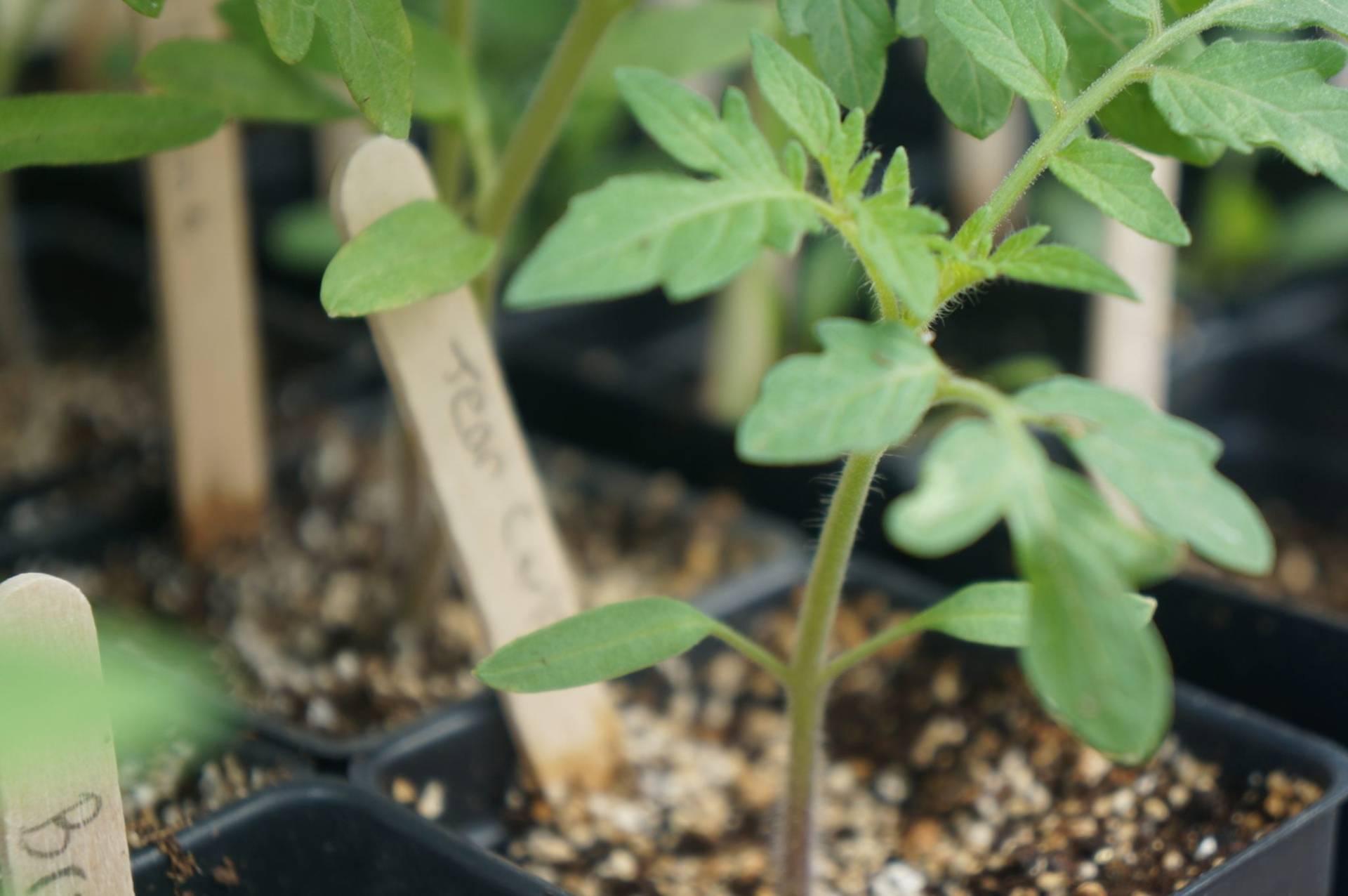
Seeds and Resources for School Gardens Available

Winter is the time to start planning your school garden. You'll need to plant in March or April so you can harvest before summer break. From deciding what to plant to finding the tools to make it happen, it helps to start early so you're not scrambling come spring time. It also helps to contact ASAP. We have free seeds for school gardens. We can also put you in touch with a pool of volunteers eager to work with students. Contact This e-mail address is being protected from spambots. You need JavaScript enabled to view it for more details.

A Resource for Farm Field Trips

We're excited to bring you The Hayride: A Resource for Educational Farm Field Trips.  Download the free PDF for a detailed county-by-county listing of farms that give tours, tips for planning your trip, children's books related to farms, activities that help you tie field trips into the curriculum, and more. Whether you're wondering what farms can teach kids about science and art, or if farms can accomodate school buses and wheel chairs, The Hayride can help.

 
Kids Comments on Farm to School

From Nikolay
The garden lets me learn outside of school. It let me be able to smell different smells. I like to taste things in our garden.
 
From Ashley
The school garden helps me make good food choices when I'm shopping with my folks.
 
From Sam D.
Thank you for teaching us about growing and planting plants. It was graet seeing Swiss chard and kale plants. And zinnias lettuce and onin seeds. We will all water and wamth.
 
From Breanna
I platid some onions. I appreciate you lating us have a garden. It was fun pulling the weeds. And fun plating the seeds. When some of them need pold we will pull them up.


Google
Search growing-minds.org Search WWW


© 2010 Growing Minds Farm to School